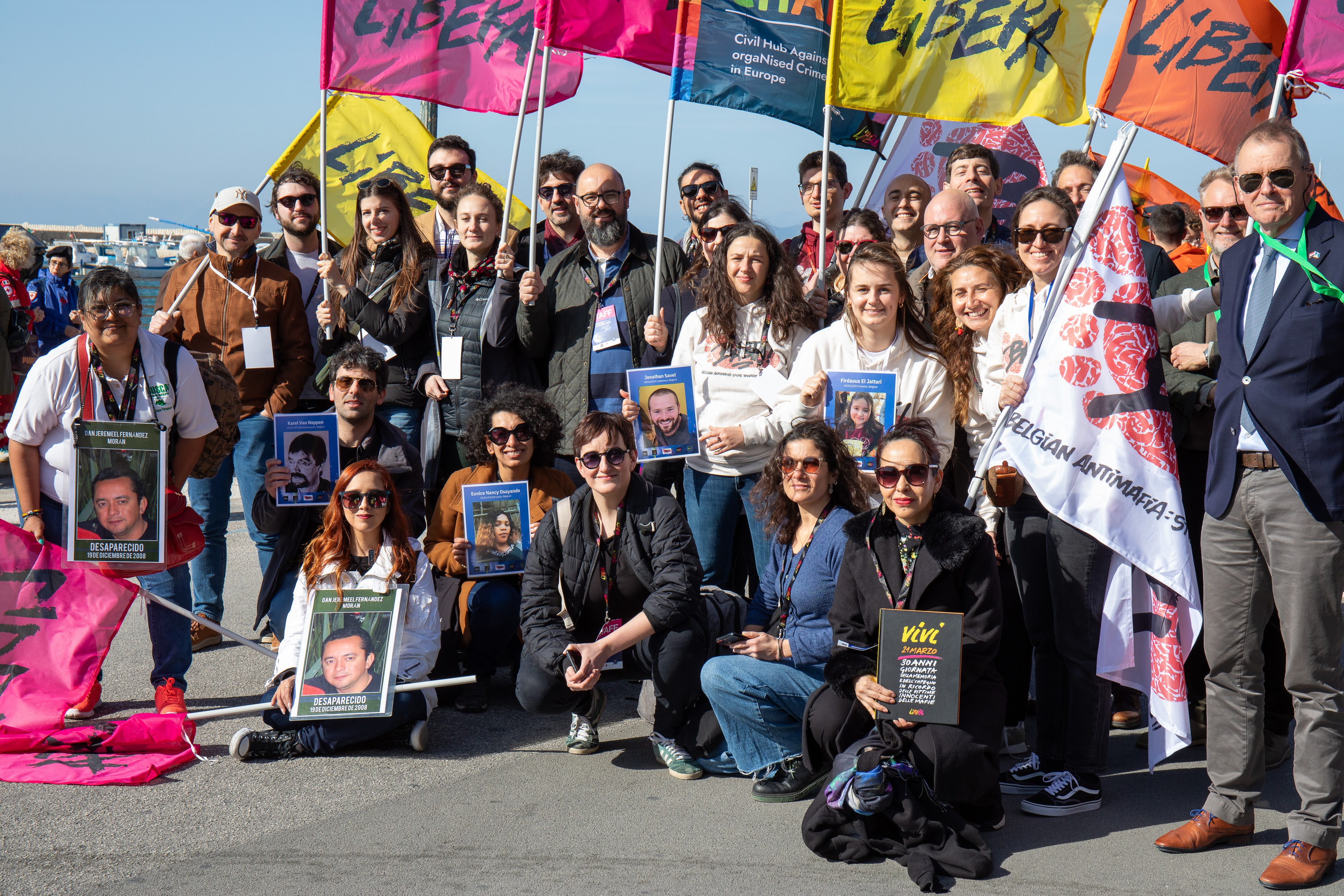
LIBERA Archive
Monica Usai: Program Manager, LIBERA – Associations, Names and Numbers against Mafias, Italy
I am Program Manager at LIBERA – Associations, Names and Numbers against Mafias, an Italian civil society network founded in 1995 that today brings together more than 1,600 associations, schools, trade unions, and local groups across Italy.
LIBERA was created to prevent and combat organized crime and corruption by strengthening democratic participation, civic responsibility, and community resilience. Our work is grounded in the belief that justice is not only about repression, but also about prevention, social inclusion, and collective responsibility.
We operate through civic education, research, advocacy, public monitoring, and the social reuse of assets confiscated from criminal organizations. We also support families of innocent victims of mafia violence and promote memory as a tool for cultural transformation. Over the past three decades, LIBERA has contributed to strengthening Italian legislation on confiscation and social reuse of assets, helping transform thousands of properties once controlled by criminal organizations into social cooperatives, schools, cultural centers, and community enterprises.
Prevention is central to our approach. Through initiatives such as “Raccontiamo il Bene,” our periodic report documenting the social impact of confiscated assets, and “E!State Liberi!”, our national volunteer camps engaging thousands of young people each year on confiscated lands, we translate legal measures into community empowerment. In Rome, our multimedia space “ExtraLibera” promotes public awareness and critical understanding of organized crime and anti-mafia history.
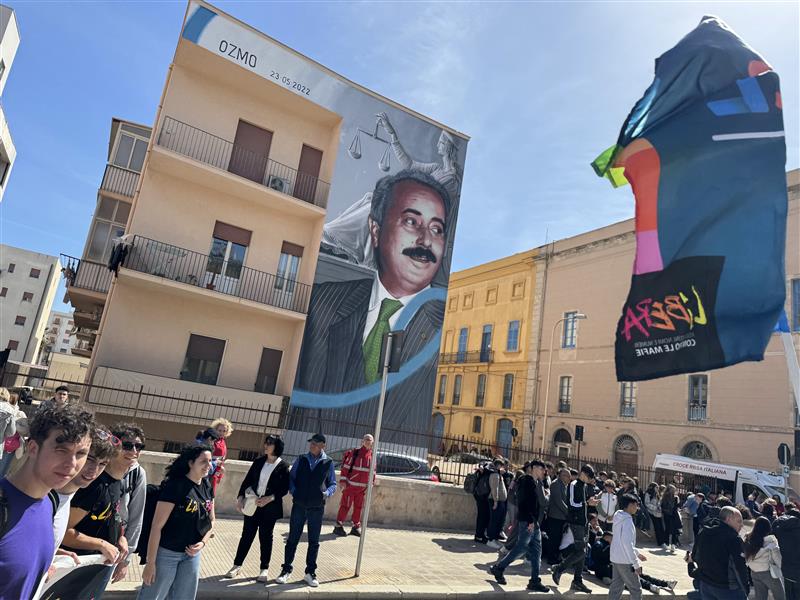
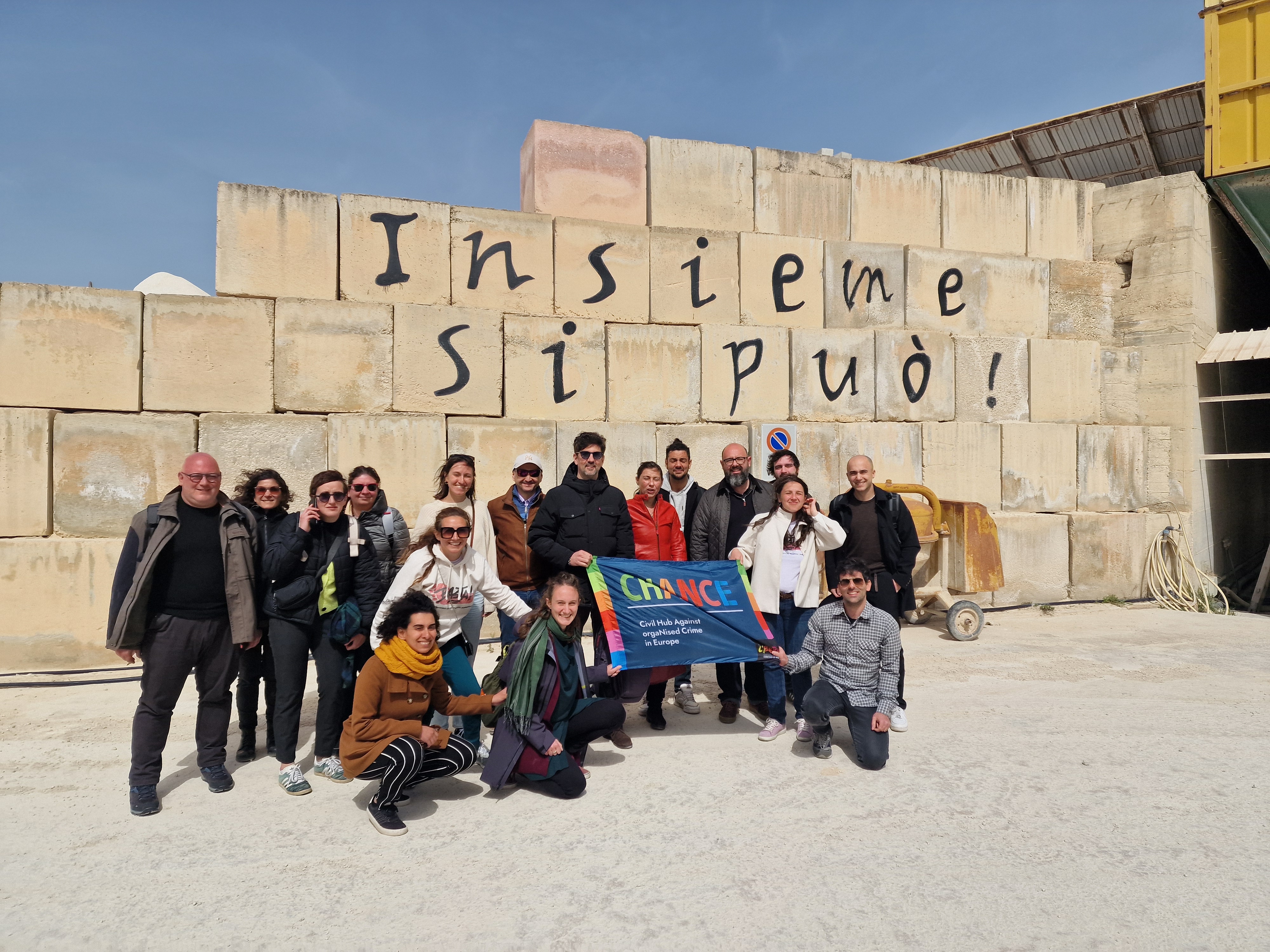
At the European level, LIBERA promotes CHANCE – Civil Hub Against Organised Crime in Europe, a transnational network connecting civil society organizations committed to prevention, advocacy, and youth engagement. Internationally, we collaborate within broader civic platforms in Latin America and Africa to strengthen community-based responses in contexts where organized crime and corruption undermine democratic stability and development. We firmly believe that transnational criminal networks require equally strong transnational civic networks.
Our collaboration with UNODC, particularly through the Civil Society Unit, has strengthened the connection between grassroots realities and global legal frameworks such as the United Nations Convention against Transnational Organized Crime (UNTOC). Through participation in CCPCJ sessions, consultations, and discussions related to the UNTOC Review Mechanism, we have contributed perspectives on how civil society networks can support prevention, monitoring, and community resilience strategies aligned with international standards.
This partnership has reinforced the legitimacy of civil society engagement in multilateral governance, enhanced our international advocacy capacity, and created dialogue between local communities and global institutions. It has allowed community-based practices — such as the social reuse of confiscated assets and youth-led prevention initiatives — to gain visibility within international policy discussions.
At the same time, civil society organizations face significant challenges in engaging with UNTOC processes. These include limited awareness of international instruments at the local level, technical complexity of the Review Mechanism, restricted access to consultation spaces, shrinking civic space in certain contexts, and insufficient financial and technical resources. For grassroots networks operating in fragile institutional environments, these barriers can be particularly acute.
The UNODC Civil Society Unit plays an essential bridging role by facilitating inclusive consultations, providing guidance, and legitimizing civil society participation at international level. However, further efforts could strengthen engagement, including more structured national consultation mechanisms, simplified guidance materials, peer-learning exchanges across regions, and greater inclusion of youth-led and community-based organizations.
One of the most powerful experiences in my work has been witnessing land once controlled by criminal organizations transformed into vibrant social cooperatives managed by young people. Seeing places that once symbolized fear become spaces of dignity, employment, and hope is a tangible reminder that justice can generate development and that communities can reclaim their future.
The greatest challenge remains ensuring that prevention is recognized as a strategic pillar alongside repression. Organized crime adapts quickly to social and economic vulnerabilities; therefore, sustainable prevention requires long-term investment in education, research, civic engagement, and youth empowerment.
My professional vision is to continue strengthening transnational civic networks so that prevention, victims’ rights, community resilience, and democratic participation remain central in global responses to organized crime. By connecting local experiences with international frameworks, we aim to ensure that global commitments translate into meaningful impact for communities.
Defeating organized crime is not only about dismantling criminal structures — it is about building stronger, more resilient societies.
Visit LIBERA's WhatsOn Profile to connect, network and further information or visit their website.
Visit the UNODC-Civil Society Unit’s website for training opportunities.